

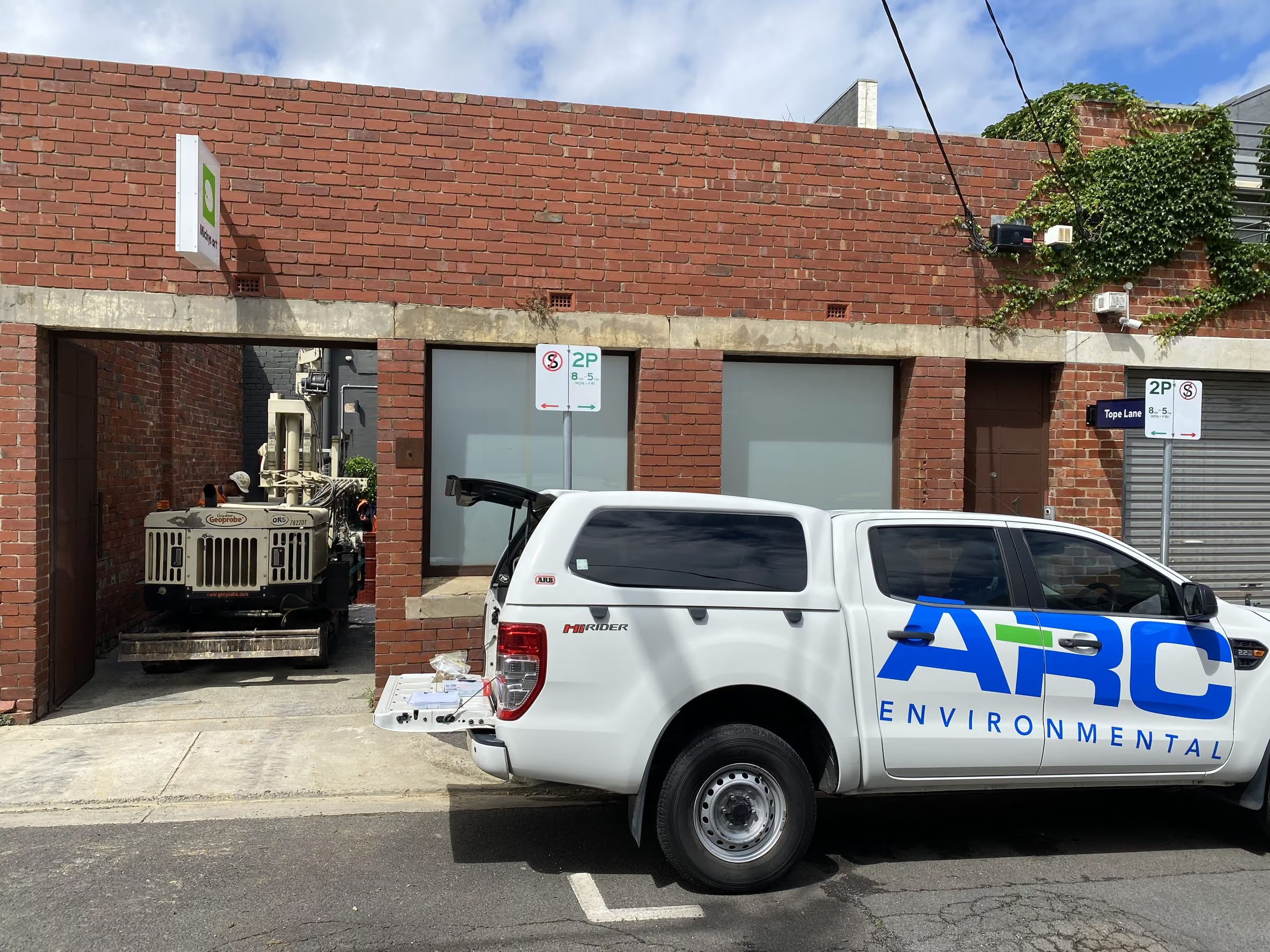
Our experts deliver responsive, collaborative and successful environmental solutions that manage risks and achieve the best outcomes for our clients across Australia.
Our disciplines
Hover to look inside.
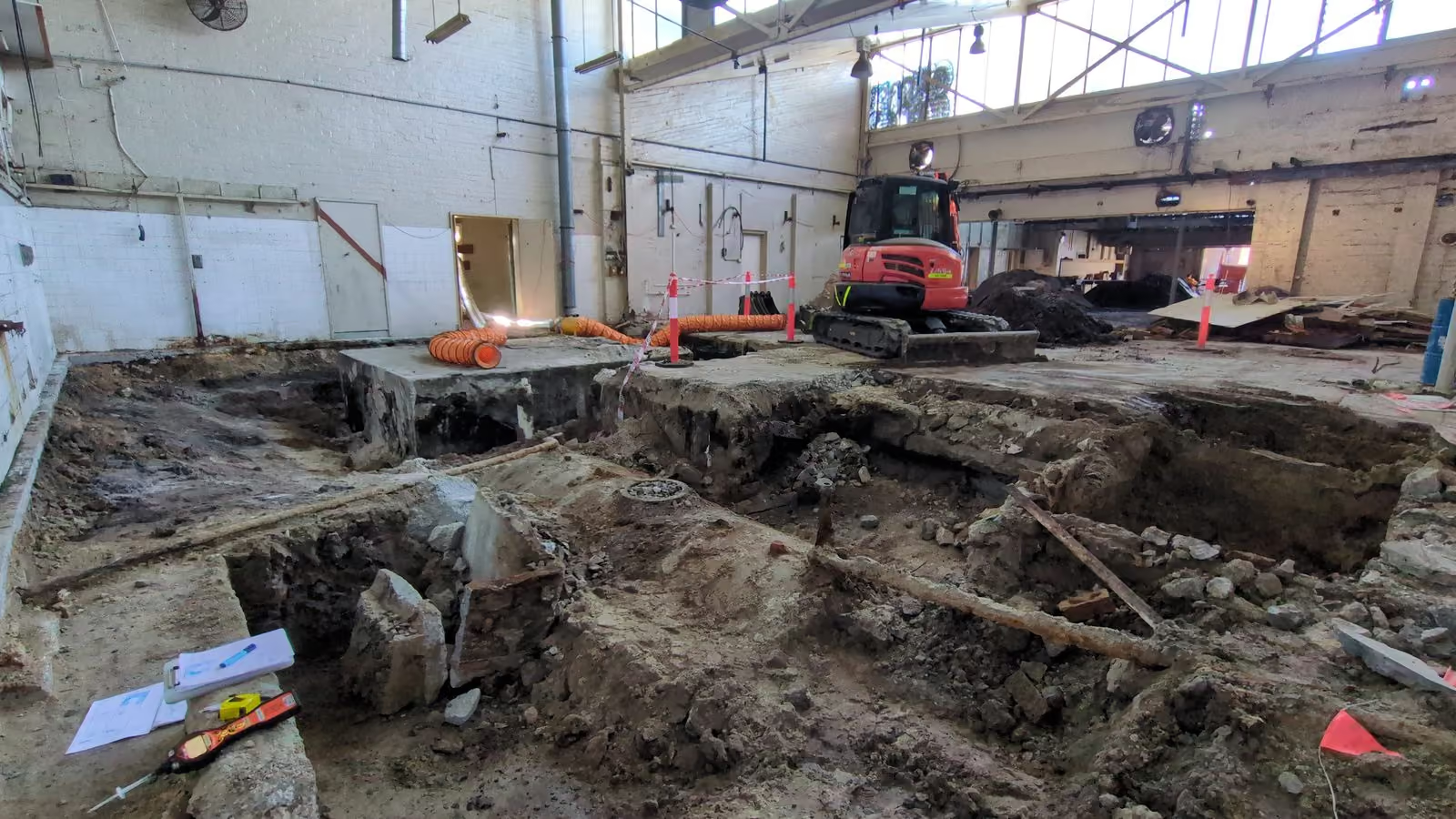
Investigation, assessment and remediation of contaminated sites to regulatory standard.
See capabilities →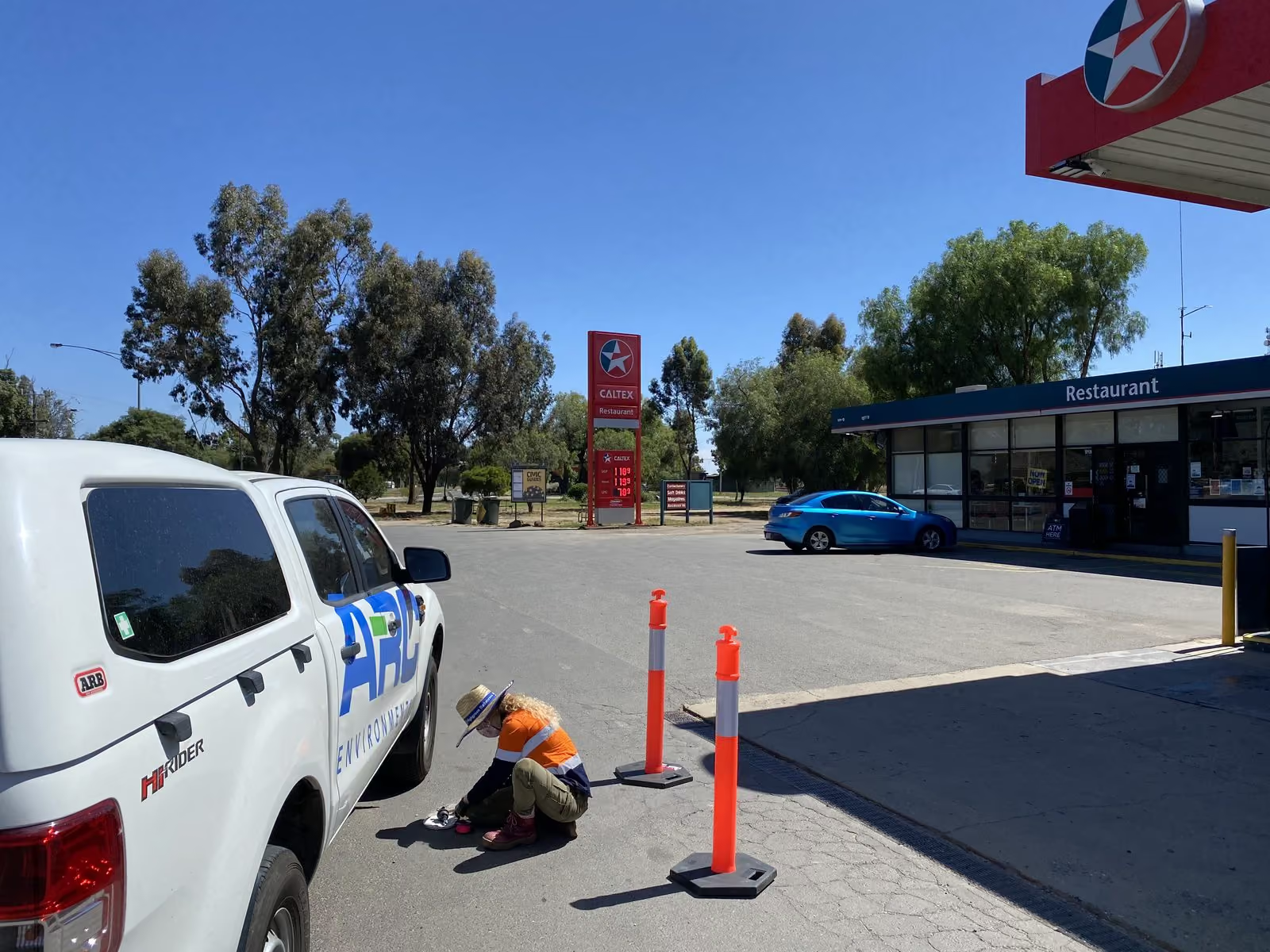
Environmental risk assessment for acquisitions, divestments, leasing and development.
See capabilities →
EPA and state frameworks, licensing, notifications, monitoring and reporting obligations.
See capabilities →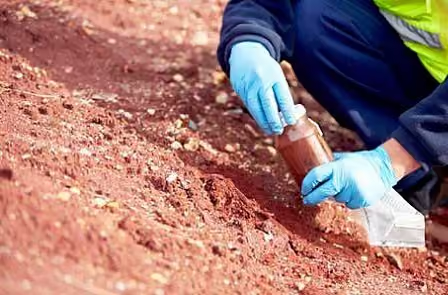
Classification and lawful disposal pathways for excavated and waste soils.
See capabilities →
Asbestos and hazardous materials assessment, surveys and management.
See capabilities →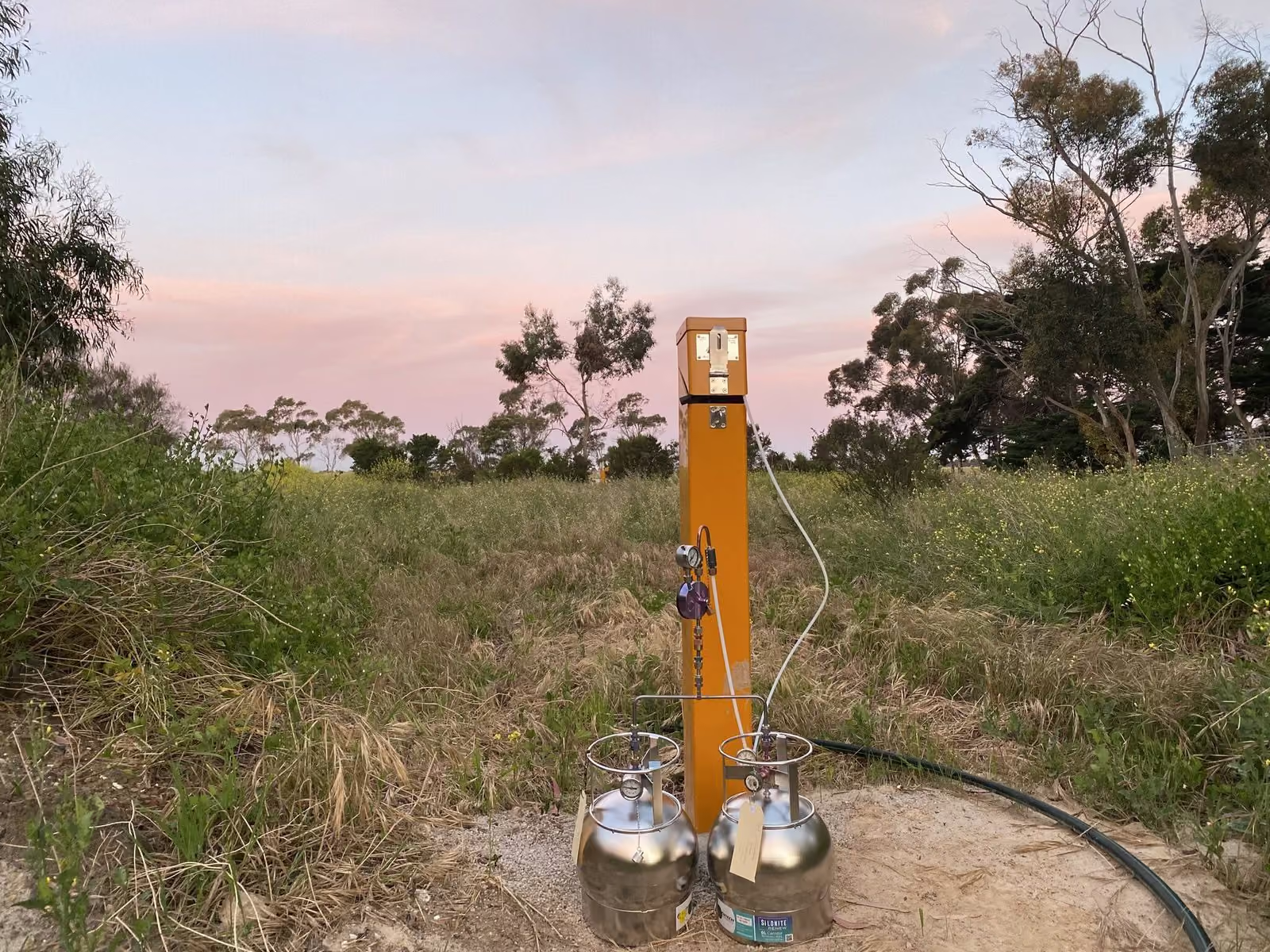
Assessment, monitoring and compliance support across the landfill lifecycle.
See capabilities →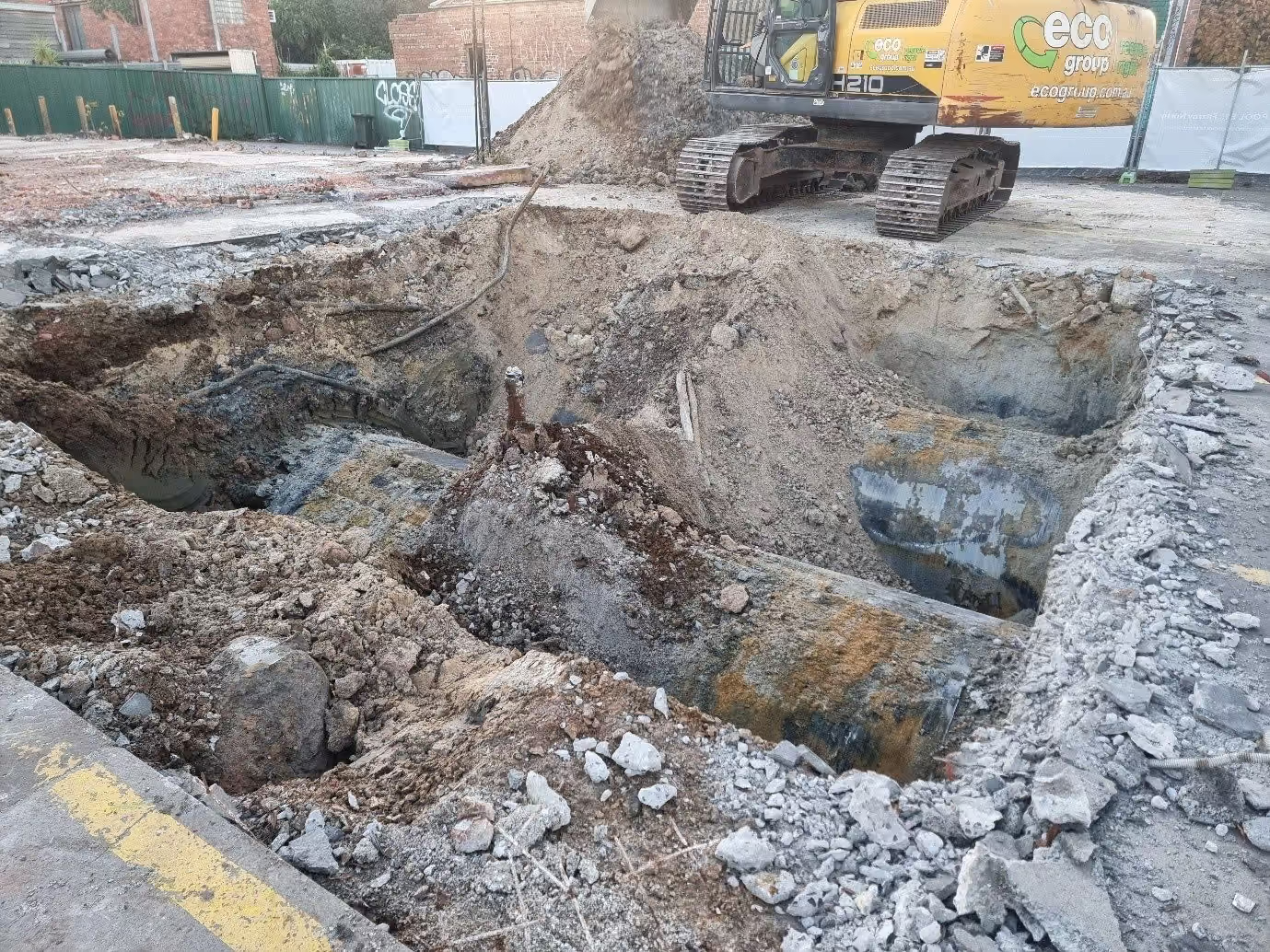
Underground petroleum storage systems assessment and decommissioning.
See capabilities →Contaminated Land
Investigation, assessment and remediation of contaminated sites to regulatory standard.
Environmental Site Assessment
Our detailed local knowledge, regulatory expertise and high level of staff training allow us to deliver quality work and innovative solutions for soil, sediment, soil vapour, surface water and groundwater quality assessment. We adopt methodologies consistent with state and national regulatory requirements for site characterisation.
- Preliminary Site Investigation (PSI or Phase 1) generally involve a desktop investigation, including a review of historical and current land uses and activities as well as EPA public registers to assess the potential for land contamination to be present.
- Detailed Site Investigation (DSI or Phase 2) involves intrusive works to investigate the nature and extent of contamination and potential risk to human health and the environment.
- Groundwater Monitoring Event (GME) involves the installation of groundwater monitoring wells and monitoring of groundwater and hydrogeological conditions.
- Soil vapour monitoring including the installation of soil vapour bores or VaporPin™ sub-slab sampling devices followed by sampling via Summa canisters, sorbent tubes, Waterloo Membrane Sampler™, Radiello® or SKC.
- Investigations for Environmental Audit Statements and Preliminary Risk Screening Assessments (PRSA).
- Investigations for EPA Environmental Action Notice (EAN) and Notice to Investigate (NTI).
- Advice on EPA General Environmental Duty (GED), Duty to Notify of Contamination (s40) and the Duty to Manage (DtM) contaminated land (s39) obligations.
- Environmental Due Diligence: comprehensive reviews to mitigate risk during property transactions.
- Human Health Risk Assessment: detailed studies to determine the impact of contaminants on human health and the environment.
- Investigations for hydrocarbons, heavy metals and Per-and polyfluoroalkyl substances (PFAS).
- Investigations for asbestos in soils.
Contaminated Soil and Groundwater Remediation
We design and implement sustainable remediation and/or management solutions to ensure our clients comply with regulatory requirements, minimise their liabilities, and maximise assets values. ARC Environmental oversees the entire process of cleaning up contaminated land, from initial assessments through to project completion.
- Remediation Options Assessment (ROA) we design and implement the selected remediation and/or management approach.
- Remediation Action Plan (RAP or Clean Up Plan) which details the contamination status and outlines practical remediation options suitable to remediate the contamination.
- Excavation and off-site disposal (dig and dump).
- Underground Storage Tank Removal and Site Validation decommission and removal of Underground Storage Tanks (USTs) is an important aspect of site management and remediation.
- Monitored natural attenuation.
- Soil vapour extraction.
- Bioremediation (biopiles) and landfarming.
- Groundwater pump and treat.
- Air sparging or bio-sparging and Air stripping.
- Dual-phase extraction or multiphase vacuum extraction.
- In-situ chemical oxidation or fixation.
- Onsite repository or onsite containment.
Environmental Management Planning
Environmental Management Plans (EMPs) to support businesses in effectively managing environmental risks. Our EMPs provide clear, site-specific strategies for monitoring and mitigating environmental impacts, ensuring compliance with regulatory standards and promoting sustainable operational practices.
- Construction Environmental Management Plan (CEMP) site-specific documents developed to ensure appropriate environmental and health management practices are followed during a project’s construction and demolition operation.
- Operational Environmental Management Plan (OEMP) site-specific documents developed to ensure appropriate ongoing management of environmental risks for industrial operations.
- Long Term Environmental Management Plan (LTEMP) site-specific documents developed to ensure appropriate ongoing management of legacy contamination and barriers or separation layers following redevelopment.
- Risk Management and Monitoring Program (RMMP) required by EPA Licensed facilities to manage and monitor environmental risks.
Property Due Diligence
Environmental risk assessment for acquisitions, divestments, leasing and development.
Pre-Acquisition Environmental Due Diligence
We assess environmentally associated liabilities such as hazardous building materials (e.g. asbestos), soil and groundwater contamination, Acid Sulphate Soils and fuel storage tanks, in line with previous site activities. A baseline Environmental Site Assessment (ESA) assessment provides assurance of suitability for intended purpose and allows for an easier exit strategy in the future.
Vendor Environmental Due Diligence
We conduct environmental due diligence to assess environmental performance and identify any potential material environmental liabilities including regulatory compliance and soil and groundwater impacts that may be present prior to sale.
Finance Environmental Due Diligence
We provide independent environmental and due diligence reviews required by finance lenders, to identify any major issues or valuation risks associated with contamination and hazardous materials.
Site Risk Ranking
We employ corporate risk profiles in order to help clients choose the most appropriate, cost effective, efficient and adequate risk control solutions for single and multiple sites.
Environmental Management Planning
Environmental management plans tailored to the approval requirements attached to a transaction or development, aligned where needed with corporate environmental management systems and policies.
Environmental Compliance
EPA and state frameworks, licensing, notifications, monitoring and reporting obligations.
Operational
Manufacturing and extractive industries present a range of environmental risks inherent to their operations. ARC can assist in managing environmental risks by conducting thorough assessments to identify potential hazards, ensuring compliance with environmental regulations, and developing risk management strategies. ARC provide expert advice on best practices for reducing environmental impacts and responding to regulatory notices. ARC can offer training for staff, helping to foster a culture of environmental awareness. Additionally, they can assist in monitoring and reporting environmental performance, enabling organisations to respond proactively to issues with cost effective solutions. ARC can develop Risk Management and Monitoring Plan (RMMP) required by EPA Licensed facilities to manage and monitor environmental risks.
Construction
Managing environmental risks for development and construction projects involves comprehensive planning and adherence to strict regulations. ARC can develop site-specific Construction Environmental Management Plans (CEMPs) detailing measures for managing waste, protecting nearby receptors, and controlling pollution. Monitoring and regular records ensure compliance and effective risk management. Developments and construction projects offer their own set of challenges.
Third-Party Auditing
Various waste collection and management facilities have not adequately managed environmental risks and/or have stored and treated waste outside of their EPA licence conditions. ARC can provide third-party assessment and management of potential operational continuance, environmental, regulatory, financial and off-site sensitive receptor risks associated with collection facilities and operators.
Regulatory Liaison and Advice
We have extensive experience in regulatory liaison and community consultation and can assist clients to assess whether licence conditions as prescribed by the regulator are suitable in order to minimise risk to the environment.
Waste Soil Classification
Classification and lawful disposal pathways for excavated and waste soils.
Waste Soil Classification
In accordance with guidelines and waste categorisation approaches, we have extensive experience in soil sampling for waste soil classification. We can advise on current contamination testing requirements, interpret results and guide you through the best soil management options. ARC Environmental has developed strategic partnerships with soil and waste disposal facilities as well as licensed hazardous waste transporters, resulting in significant cost reductions for your business.
EPA Designation
ARC have a successful track record in successful applications for EPA waste designations for naturally occurring metals and when results of soil sampling can demonstrate a low potential for contamination leachability.
Waste Soil Management
Disposal to landfill is an increasingly cost prohibitive practice, and in the eyes of state environmental authorities, the least preferred management option for contaminated soil. We can provide client-specific advice on alternatives to off-site soil disposal, including on-site soil reuse and management.
Asbestos & Occupational Hygiene
Asbestos and hazardous materials assessment, surveys and management.
Asbestos Assessment
We offer a wealth of experience in the industry, providing hygienists and licensed asbestos assessors with the capability to undertake and manage any project to ensure safety and compliance.
- Asbestos testing services.
- Asbestos Audit / Asbestos Survey (Division 5): non-invasive survey tailored for operating workplaces. It identifies the presence of asbestos, conducts a risk assessment, and creates an asbestos register for the site. This survey provides critical information to occupants to control the risk of exposure to airborne asbestos. Our auditors will identify any inaccessible areas likely to contain asbestos and assess whether the asbestos-containing materials in the workplace may be subject to damage or disturbance. An Asbestos Register is mandatory for all workplaces and must be reviewed at least every five years or after significant removal works.
- Asbestos Audit / Asbestos Survey (Division 6): specifically designed for contractors, construction workers, and asbestos/hazardous materials removalists. These audits serve as crucial references to pinpoint the location, condition, and extent of any hazardous materials present in the workplace.
- Asbestos Management Plan: beyond issue identification, our consultants design a tailored risk management plan to control or remove any asbestos-containing material in buildings or soil. If required, we deliver a complete end-to-end project management service, which may include recommendations for asbestos removal works, asbestos removal testing, dust testing, and asbestos air monitoring.
- Asbestos soil remediation strategies: our highly skilled asbestos consulting and testing team provide technical supervisory services during asbestos soil testing and remediation works, who ensure removal practices are safe and comply with current Australian Health and Safety Standards.
- Asbestos fibre air monitoring.
- Asbestos visual clearances.
- Class A and B asbestos removal supervision.
Landfill Management & Monitoring
Assessment, monitoring and compliance support across the landfill lifecycle.
Landfill Management & Compliance
We are active in managing environmental and licensing issues at operational and closed landfill facilities across Australia. Our focus is on minimising environmental liabilities while ensuring compliance with regulatory guidelines, licensing conditions and best practice management.
Landfill Monitoring
We undertake landfill gas, leachate, groundwater and surface water monitoring programs to assess the environmental impacts of landfill operations and satisfy compliance requirements.
- Annual environmental compliance monitoring for Groundwater; Leachate; Surface water; and Landfill gas.
- Annual Environmental Reporting (AER).
- Pollution Abatement Notice (PAN) and Post Closure Pollution Abatement Notice (PCPAN).
- Hydrogeological Assessment (HA), including development of detailed Conceptual Site Models (CSM).
- Landfill Risk Assessment (RA), including Landfill Gas Risk Assessment (LFGRA).
- Landfill Risk Management and Monitoring Program (RMMP).
- Landfill Aftercare Management Plan (AMP).
- Emerging Contaminant (PFAS) Advice.
- Community and stakeholder engagement/consultation.
- Legislative approvals and considerations for environmental planning, infrastructure siting and operations.
- Procurement and construction management.
UPSS Management
Underground petroleum storage systems assessment and decommissioning.
UPSS Management and Monitoring
We assist owners and operators of UPSS to reduce the potential for spills and leaks of petroleum-based products, with extensive practical experience in guidance documents which outline how to appropriately assess and manage UPSS while in use. Each state manages UPSS differently and plans can be tailored to comply with specific state and site requirements in a cost-effective way.
UPSS Decommissioning and Removal
We ensure that underground storage tanks (USTs) are appropriately decommissioned and removed from sites in accordance with regulations and guidance, or that appropriate in-situ decommissioning is undertaken. We also ensure the validation of surrounding contaminated soils.
Soil, Groundwater and Soil Vapour Assessment
Our technical expertise and highly experienced consultants allow us to deliver investigations of soil, groundwater and soil vapour to assess potential risks posed by petroleum hydrocarbon contamination. We adopt assessment methodologies consistent with state and national regulatory UPSS requirements.
UPSS Contamination Clean Up
We design and implement sustainable remediation and/or management solutions to provide clean-up of petroleum hydrocarbons where risks are unacceptable, including Liquid Non-Aqueous Phase Liquids (LNAPL). ARC Environmental oversees the entire process of cleaning up contaminated land, from initial assessments through to project completion.

Tell us about the site. We’ll tell you which of these you actually need.
A short conversation is usually enough to identify the regulatory pathway, the likely scope and where the cost sits. No obligation, no automated quote.